
Unexplained behaviour in the lesson car
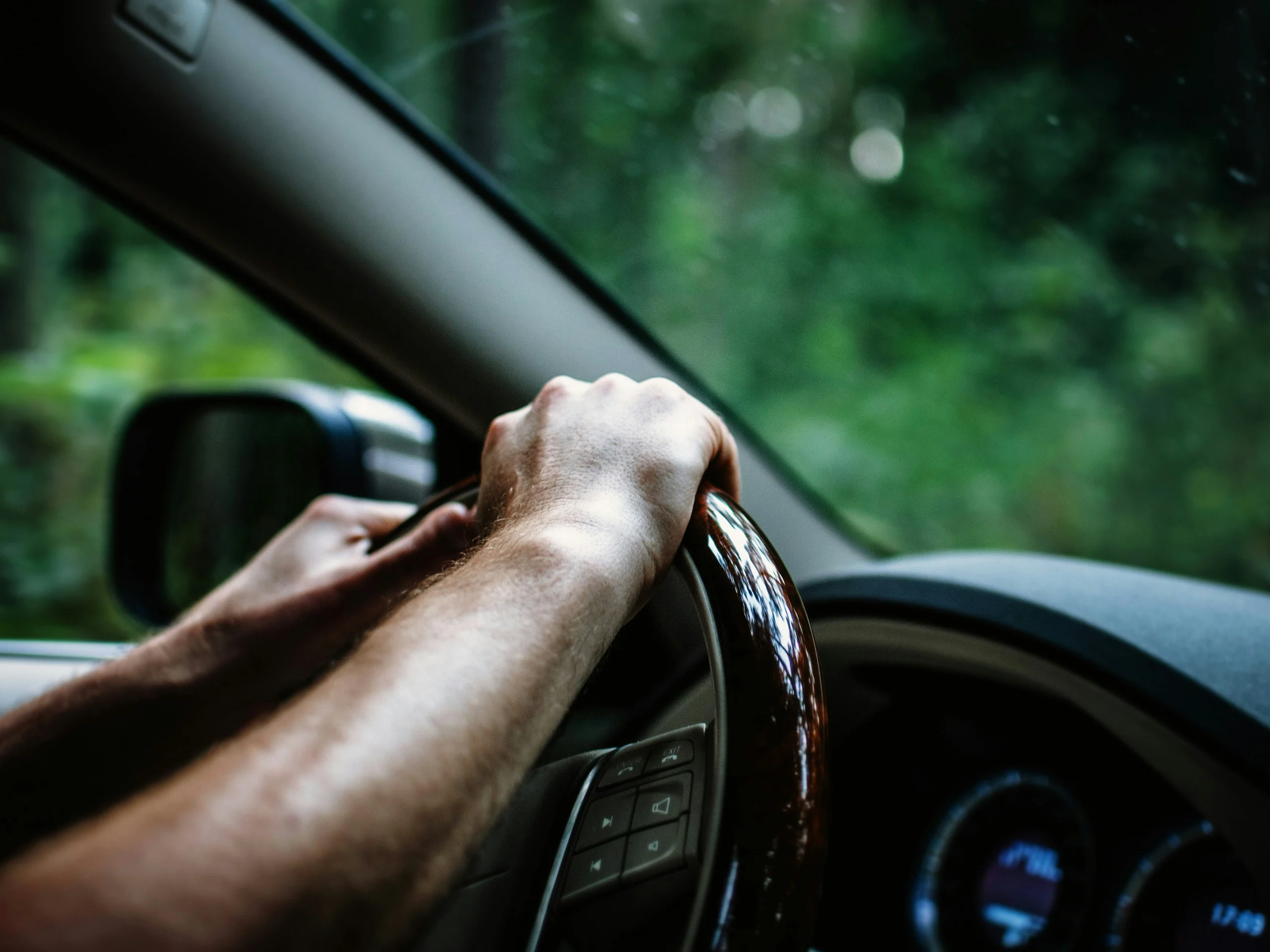
The CBR recently reported that more and more unexplained behaviour is becoming visible during exams: candidates who freeze, react without logic, or simply get stuck the moment things become stressful. To many people that sounds like a new development, but driving instructors have recognised this behaviour in the lesson car for a long time.
The brain becomes overloaded
When learners end up in complex situations, such as busy roundabouts or shifting traffic flows, the brain can overflow. Reactions slow down, instructions no longer get through, and sometimes everything comes to a standstill. This is not unwillingness, but a lack of mental space left to process.
Technique alone is not enough
The problem is often not a lack of technical skill, but the inability to apply it under pressure. Overload blocks access to learned behaviour. That does not call for more repetition, but for a different way of teaching.
Higher-order skills increasingly important
Rijschool Delsing stresses that skills such as hazard perception, risk awareness, self-insight and anticipation are essential for road safety. We encourage these higher-order skills by letting learners understand, analyse and make their own choices rather than follow instructions.
Rijschool Delsing makes learners independent thinkers
A learner who understands what they are doing performs better under pressure. Rijschool Delsing turns drivers into thinkers, not executors. The result: road users who look ahead, recognise risks and read situations.
Conclusion
If we want learners to keep functioning safely under pressure, we have to look beyond basic skills. First understand the mind, then train the hands. Rijschool Delsing helps you get there.